Contributors: Chuna LIU, Luhai WANG, Yi LIU, Rui LI, Jianyuan LI, Jia LU, Linan SHAN, Junjie ZHANG
1.1 Background
The protection of fish resources in rivers and lakes in the context of cascade hydropower development has imposed new requirements on fish monitoring and identification technologies. On the one hand, accurately assessing the impact of cascade hydropower development on fish resources requires high-spatiotemporal-resolution dynamic fish monitoring; on the other hand, long-term monitoring of fish passage facilities is essential to scientifically evaluating their effectiveness. This study pioneers AI-based intelligent fish identification technology, enabling real-time and precise identification of fish species in underwater acoustic-optical images. The intelligent monitoring technology is adopted for fish passage facilities, achieving long-term, real-time, and precise monitoring of fish passage information. Furthermore, intelligent operation is also implemented for these facilities, establishing an intelligent linkage mode between real-time fish perception and the operation of fish lift systems. Finally, an assessment of fish passage effectiveness is achieved based on multi-modal monitoring data, allowing for scientific evaluation of fish passage effectiveness and compliance across design, construction, and operation phases. The project outcomes have been successfully applied in 18 hydropower engineering projects domestically and internationally, driving technological progress in the industry.
· Develop an underwater fish image recognition algorithm system based on deep learning to achieve dynamic real-time identification of fish species, quantity, and body length;
· Manufacture underwater camera equipment compatible with the technology for deployment in fish passage facilities to acquire real-time dynamic underwater fish images, and develop algorithms adapted to the on-site engineering conditions of these facilities;
· Develop an intelligent operation system for fish passage facilities and create an intelligent monitoring and management platform for these facilities;
· Construct a technical system for assessing fish passage effectiveness using multi-modal monitoring data to scientifically evaluate passage performance and compliance across design, construction, and operation phases.
· Developed fish image enhancement technology for turbid water and a semantic segmentation algorithm based on deep learning to dynamically and accurately extract fish phenotypic characteristics, invented an intelligent fish tracking and identification algorithm based on YOLO+DeepSORT, and established an adaptive learning method for intelligent fish identification based on cross-domain feature combining of phenotypic and behavioral characteristics.
· Manufactured underwater video acquisition equipment featuring self-cleaning functions and ease of maintenance; developed a fish tracking and counting algorithm to accurately identify upstream and downstream fish swimming directions; pioneered an algorithm for identifying dense fish schools and small targets, enhancing detection capabilities for objects of varying scales; and developed a TensorRT deep learning acceleration algorithm, improving the maximum inference throughput and efficiency of the models.
· Through the intelligent monitoring system, collected fish information entering the fish collection area and statistically analyzed the real-time quantity and total resource volume of target fish within the collection range; with the fish lift process triggered upon reaching preset thresholds, established an intelligent linkage mode between real-time fish perception and the operation of the fish lift system;
· Invented a relationship mapping algorithm for multi-source heterogeneous data comprising fish passage, water flow, and water quality, enabling intelligent correlation analysis, cross-validation, and risk warning of these datasets; and constructed the world's first intelligent monitoring system for fish passage facilities that integrates multi-modal information acquisition and processing, panoramic visualization, and equipment linkage;
· Constructed a technical system for assessing fish passage effectiveness based on multi-modal monitoring data, and proposed a coupled model for acoustic-optical-electrical multi-modal data, to evaluate passage effectiveness through linkage analysis of marked individual fish and non-marked section monitoring results.
Since 2014, building upon long-term research into the ecological impacts of hydropower engineering and image processing technologies, the research team has integrated AI-based object detection algorithms to carry out this project. This effort resulted in the formation of intelligent fish identification technology, which has been applied to the monitoring and operation of fish passage facilities in 18 hydropower projects, including the DG, ZM, and JC projects in the middle reaches of the Yarlung Zangbo River, Yebatan, Batang, and Suwalong in the upper Jinsha River, TB on the Lancang River, the Lower Sesan II Hydropower Project in Cambodia, the Second Water Diversion Hub on the Kaidu River in Xinjiang, the Main Canal Hub of the "Datong to Huangshui River Water Diversion Project" in Qinghai Province and the Gushan Navigation-Power Hub on the Han River.
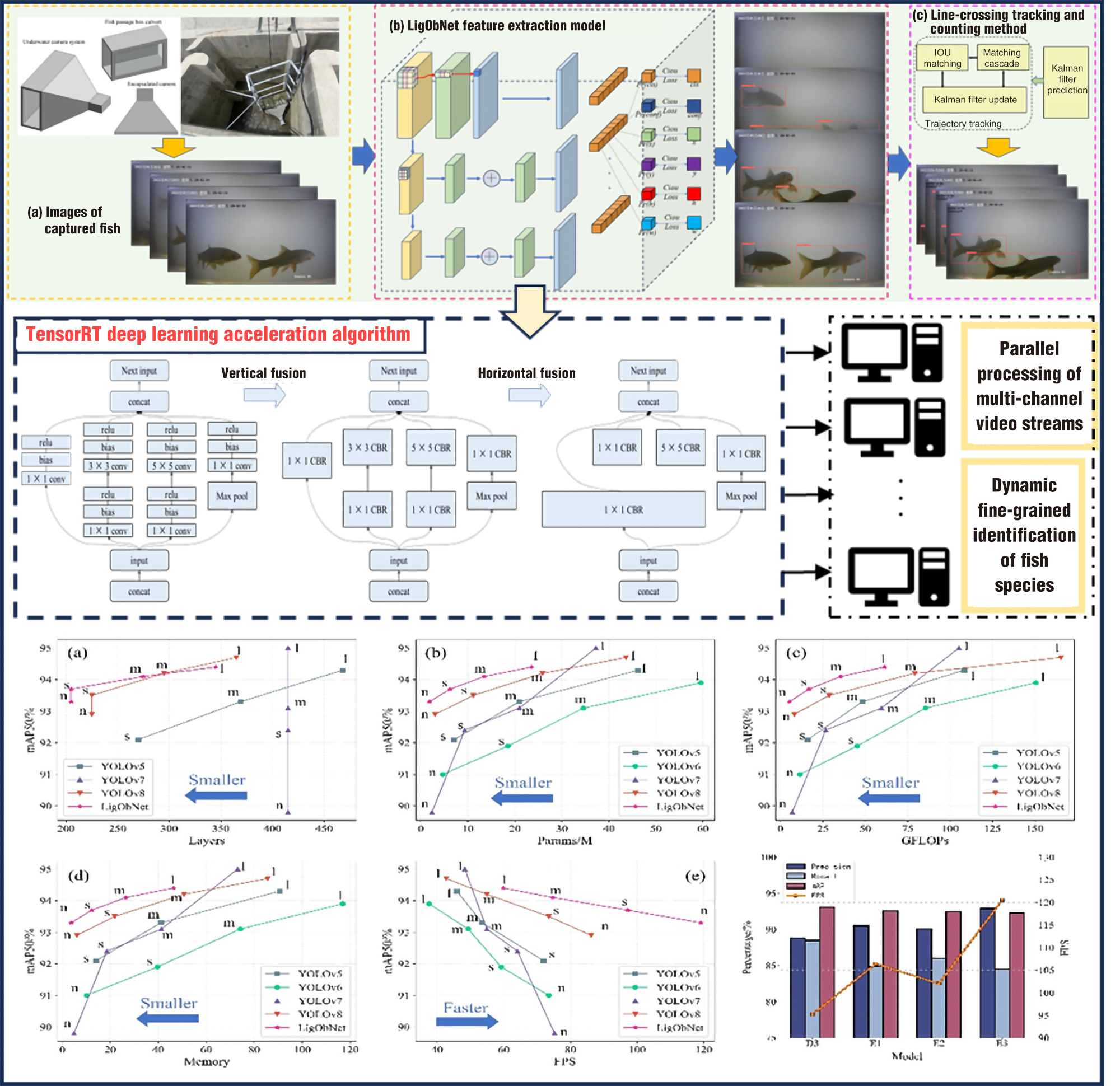
Figure 1. Intelligent Fish Identification
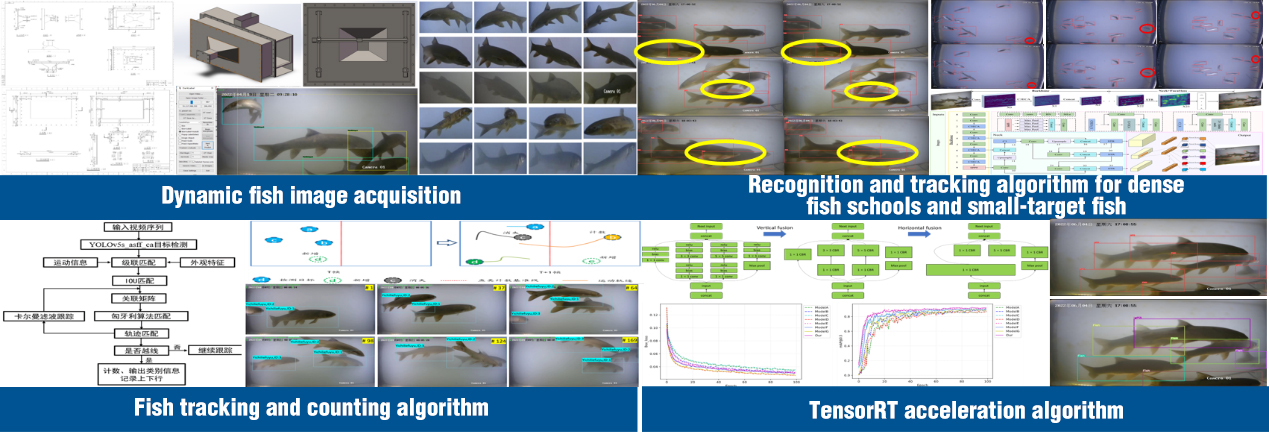
Figure
2.
Intelligent Monitoring Algorithms for Fish Passage Facilities
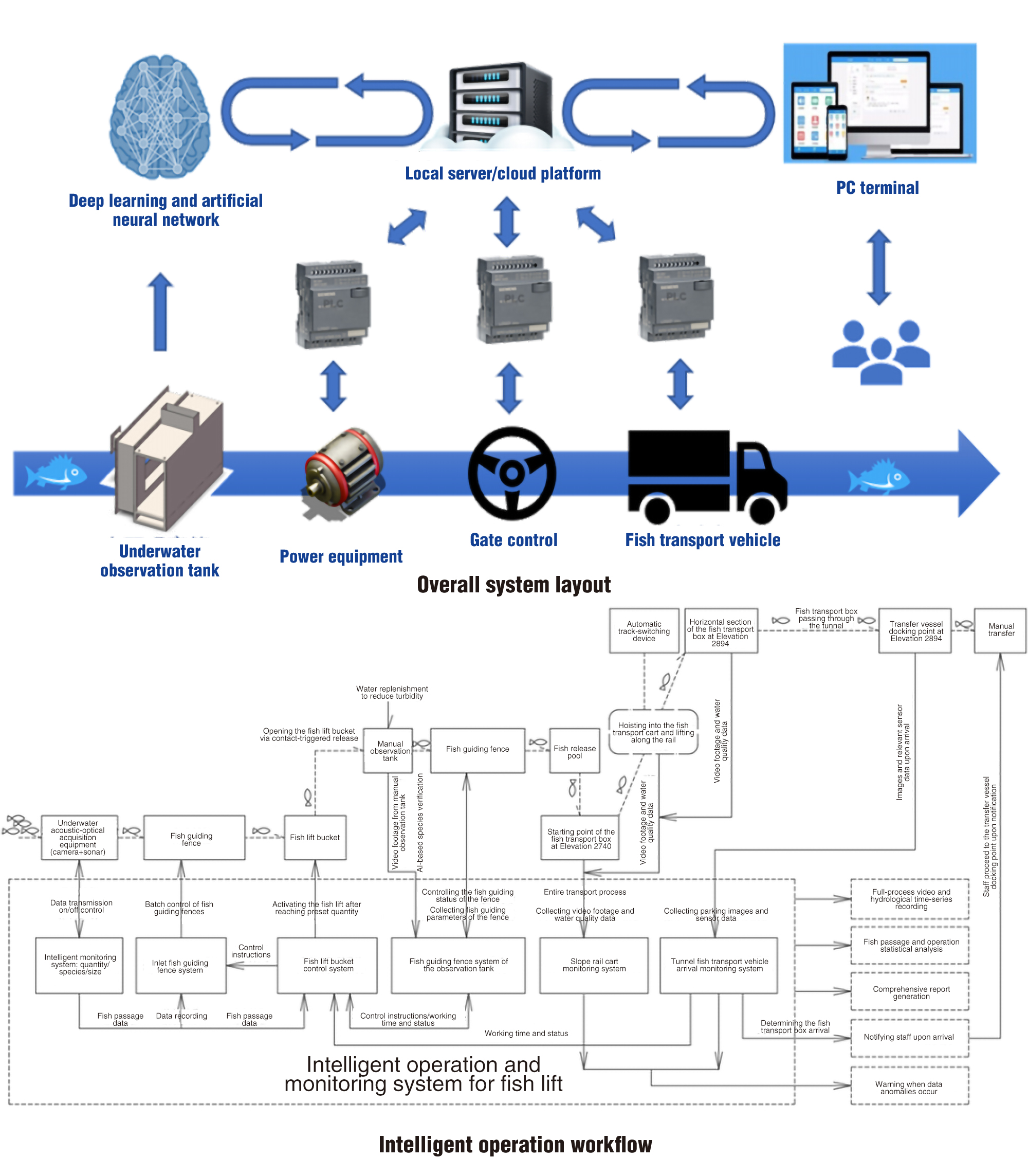
Figure 3. Intelligent Operation of Fish Passage Facilities
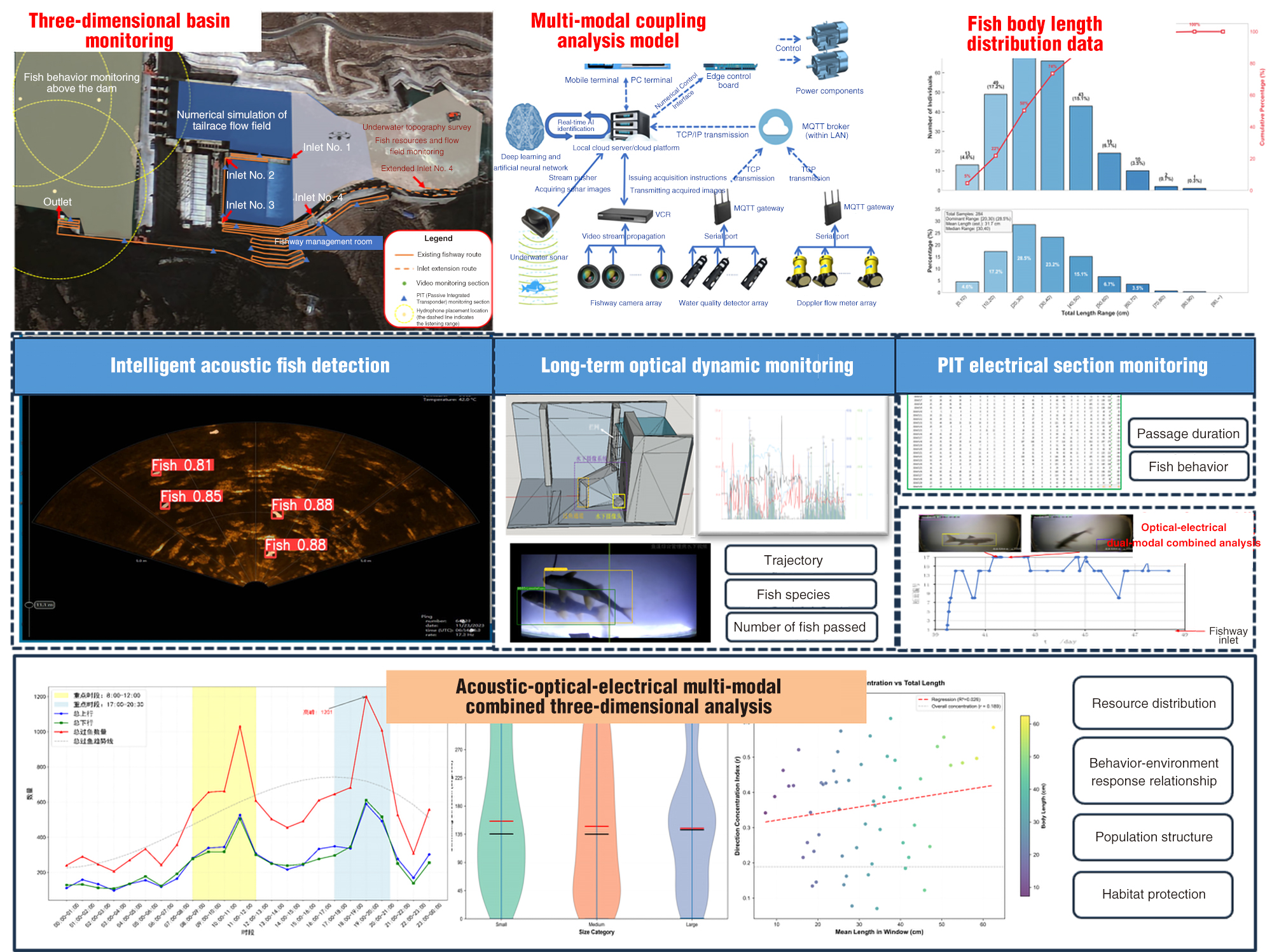
Figure 4. Multi-modal Fish Monitoring System and Linked Analysis
