
Contributors: SANG Xuefeng, ZHAO Yong, WANG Hao, ZHENG Yang, LIN Xichen, SHAN Shihao, LI Haihong, CHEN Genfa, YIN Junxian, ZHANG Lili, NIU Geng, NI Hongzhen, LI Ziheng, ZHU Zixuan, DUAN Tianchi
1.1 Background
Within large-scale water network framework, China's inter-basin water transfer capacity has exceeded 50 billion cubic meters. In cities such as Beijing and Tianjin, externally transferred water has already accounted for as much as 70% of total supply. The water resources system has evolved into a highly complex network characterized by inter-basin integration, broad spatial coverage, and strong systemic interdependence, leading to a marked intensification of the coupled natural-socioeconomic water cycle.
This new paradigm poses challenges to traditional hydrological theories, particularly in: (1) restructuring the fundamental understanding of water resources cycling; (2) developing a unified simulation framework; and (3) facilitating the productization of modeling technologies. Accordingly, advancing key technologies and applications for dynamic water resources allocation in complex systems has become a critical demand for supporting the development of the National Water Network and smart water conservancy, as well as a frontier topic under the International Hydrological Programme (IHP). Research into allocation mechanisms, simulation technologies, and modeling products therefore demonstrates great scientific importance and practical value.
· Investigation of allocation mechanisms and methodologies for complex water resources systems aiming at breakthroughs in a dynamic interactive response pattern of the water cycle and the unit discretization method for dualistic (natural-social) water systems.
· Development of dynamic Water Allocation and Simulation (WAS) modeling technologies for complex water resources systems aimint at integration of water resources assessment and allocation.
· Development of the General Water Allocation and Simulation Software (GWAS), which demonstrates outstanding performance in dynamic water resources allocation, deduction, and simulation under the influence of human activities.
· Having established a dynamic interactive response pattern of the water cycle and proposed principles for dynamic water resources allocation, integratg node micro-kernel calculation and temporal dynamic feedback regulation, thus enabling a paradigm shift from lumped to distributed modeling and from static to dynamic simulation.
· Having developed dynamic simulation and allocation technologies for complex water resources systems, proposed the algorithm of bottom unit discretization and coding along with topological indexing, and constructed coupled process equations and the spatiotemporal dual-layer enhanced solution algorithm.
· Having overcome five key dynamic interaction technologies: 1) intelligent matching between water sources and users, 2) parallel parameter optimization leveraging supercomputing capabilities, 3) multi-process simulation verification, 4) multi-scenario decision comparison, and 5) data clustering and mining, thereby resolving challenges in model integration and transformation into operational products.
· Having developed the integrated General Water Allocation and Simulation Software (GWAS), which has been recognized as one of the five generic models of the Chinese Ministry of Water Resources. The GWAS has supported the development and business-oriented application of the Water Resources Allocation System for the National Water Network, and has gained wide adoption by third-party users.
The achievement of this study has been included in the Chinese Ministry of Water Resources' Catalogues of Advanced and Practical Technologies (2014, 2019, and 2023) and the Ministry of Science and Technology's 2021 Technology List for Sustainable Development in Belt and Road Initiative Countries. In 2025, it ranked first among all the water resources allocation models owned by the Ministry of Water Resources. Since its release in 2019, the GWAS software has supported 16 training sessions and 23 on-site exchange events with over 30,000 participants, recorded more than 5,000 downloads nationwide, and has been applied across China's 10 major river basins and all 31 provinces, municipalities, and autonomous regions, as well as in the United States, Canada, Australia, and other countries. The research has underpinned the development of 3 national standards, 1 group standard, 10 monographs and textbooks, 45 invention patents with first-author attribution, and 82 domestic and international publications, and has supported more than 30 graduate students in completing their theses over the past three years.
At the national level, this study has supported balanced water resources allocation and strategic planning; at the basin level, it enhances water security for the Yangtze River Economic Belt; at the regional level, it has facilitated intelligent raw water scheduling for urban areas; and for the development of smart water conservancy, it has been serving as the core engine of the Water Resources Allocation System for National Water Network, demonstrating significant technical support value and broad application prospects.
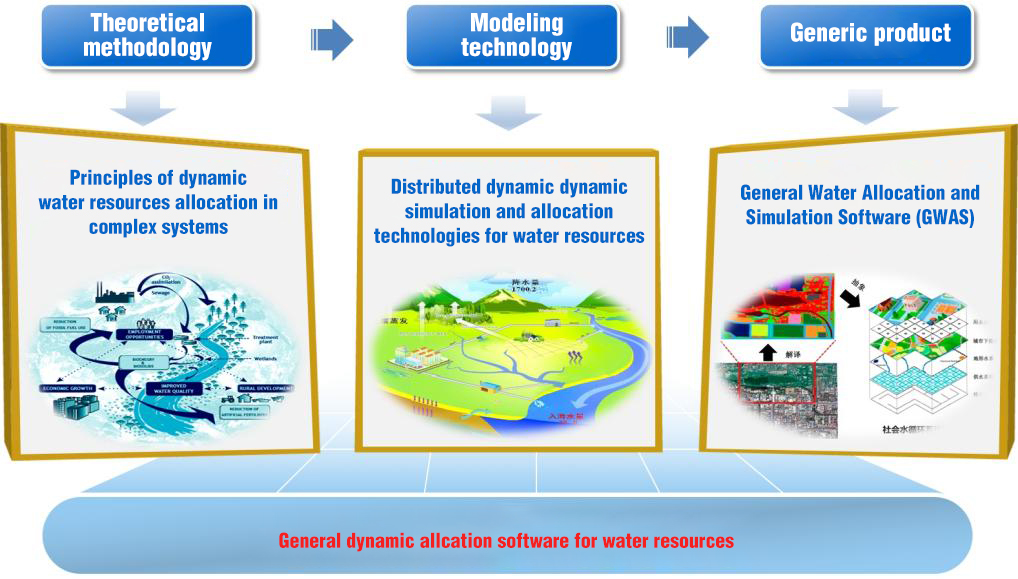
Figure
1. Overview of Key Technologies and Applications for Dynamic Water Resources
Allocation in Complex Systems
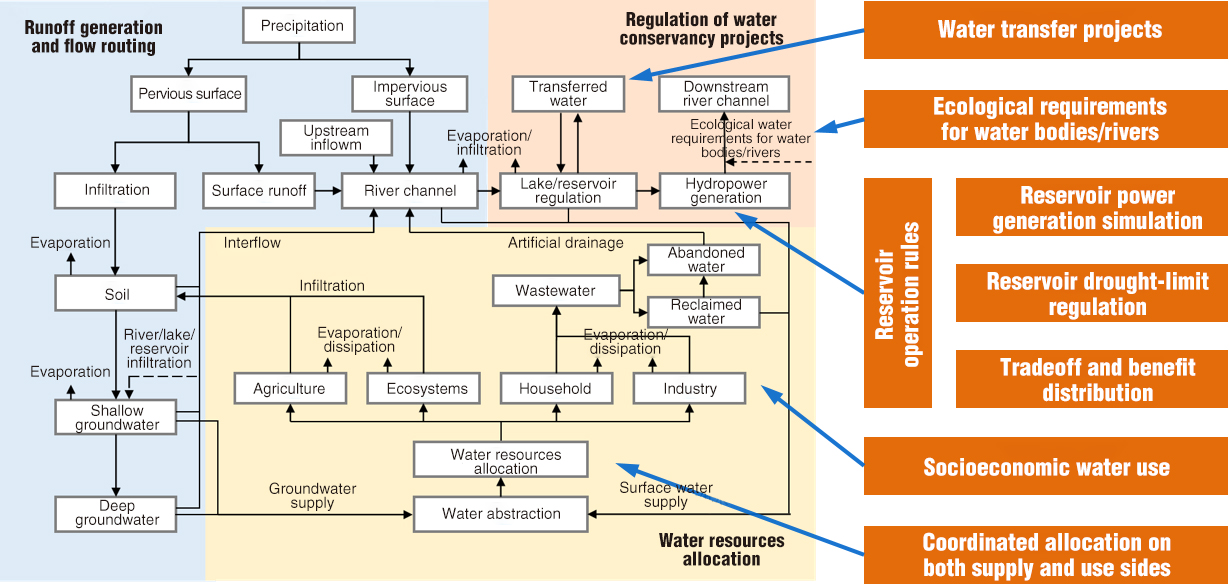
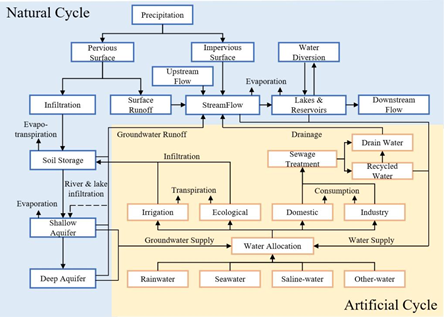
Figure 2. Architecture of the Water Allocation and Simulation Model (WAS)
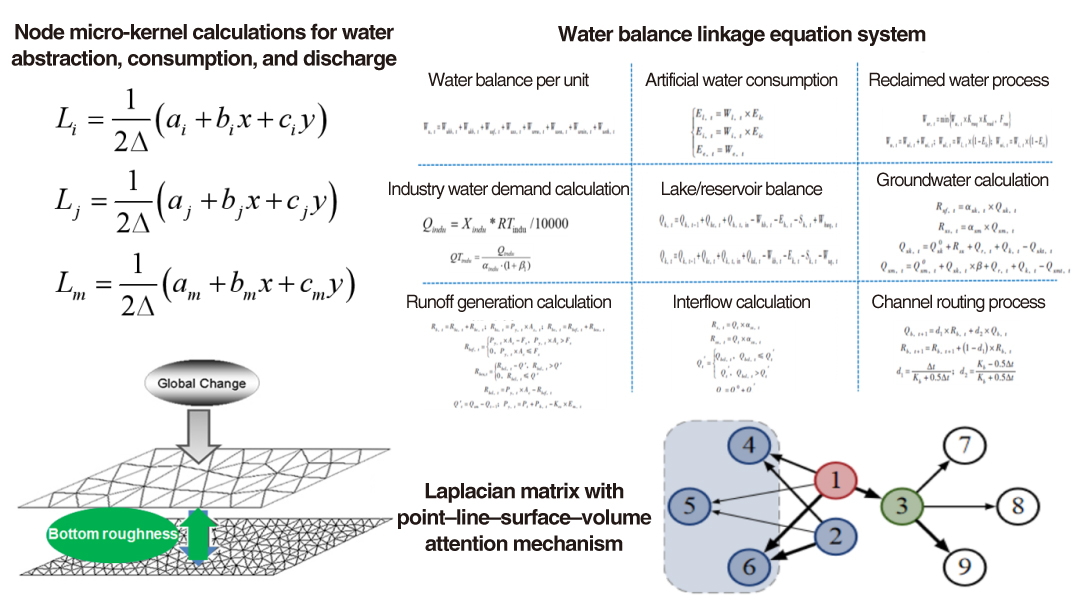
Figure 3. Node Micro-kernel Calculation Principle and Linkage Equation System
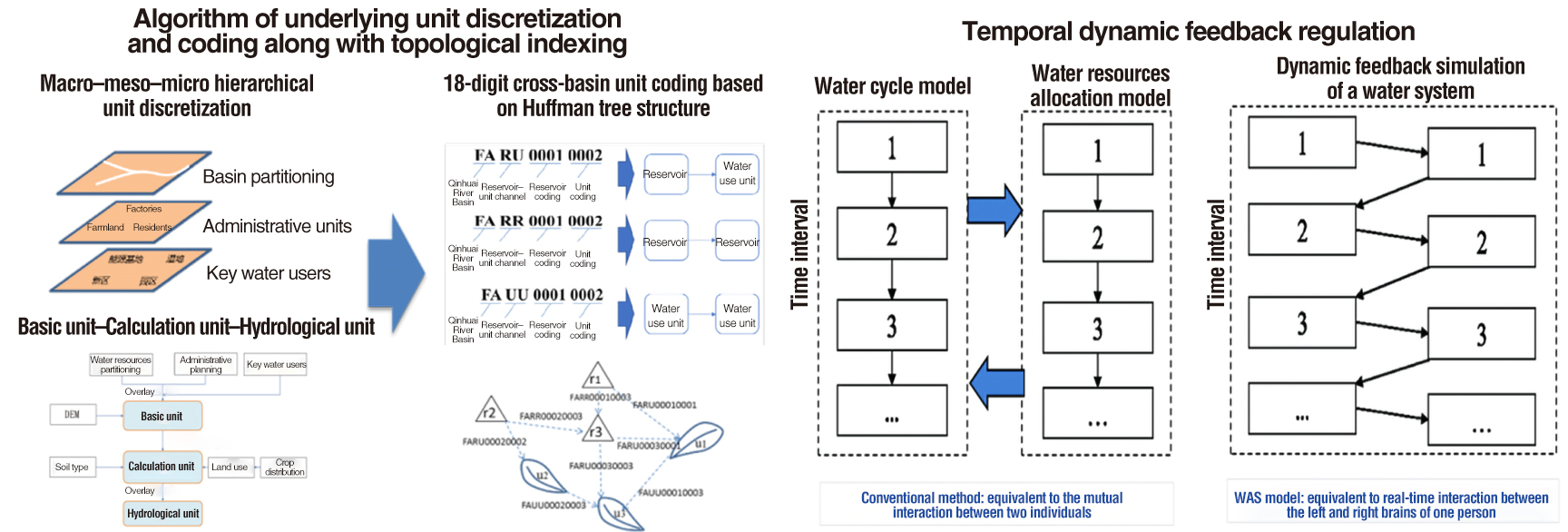
Figure 4. Model Unit Discretization and Regulation Methods
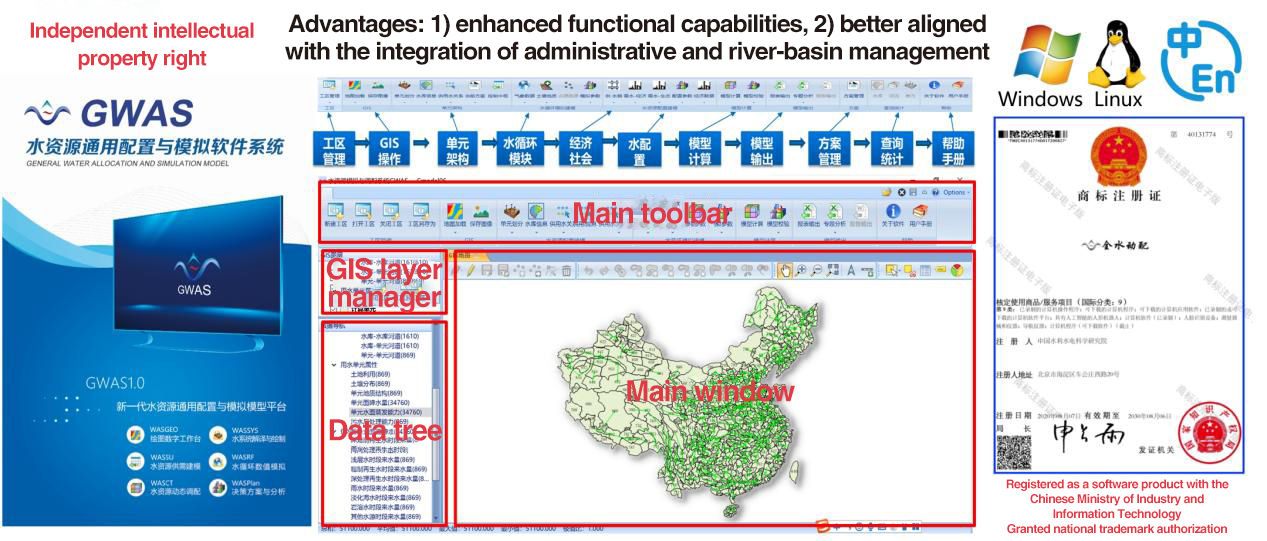
Figure
5. General Water Allocation and Simulation Software (GWAS)
