
Contributors: ZHAO Yufei, CHEN Zuyu, JIANG Long, FAN Jinyong, WANG Yujie, LIU Biao, ZHOU Junfang, WANG Naixin, SUN Liang, ZOU Bin, ZHANG Qiang, ZHANG Yunpei, CAO Ruilang, MENG Liang, MENG Tao
In water resources and hydropower projects, geotechnical structures constitute the most critical component and foundation of the most critical component and foundation of the entire system. The safe and reliable geotechnical construction and operation are essential for major infrastructure to fulfill their functions in flood control, irrigation, power generation, navigation, and ecological conservation. Traditional construction practices still face challenges such as inadequate sensing of key information, a scarcity of data mining models, outdated integrated management platforms, and a lack of intelligent construction equipment. Addressing these challenges requires the development of key technologies that integrate rapid advancements in information and intelligent systems with engineering projects. This effort aims to provide essential support for intelligent, digital-twin-based, and matrix-style management of water resources and hydropower engineering projects throughout the whole construction and operation process.
· Investigation of intelligent monitoring technologies for earthwork filling and excavation construction to achieve real-time process feedback and intelligent quality evaluation.
· Research on information sensing and intelligent excavation technologies for underground caverns, addressing drill-and-blast methods and tunnel boring machine (TBM) operations.
· Development of intelligent construction technologies for grouting and vibro-stone column installation during foundation treatment by integrating high-precision positioning with intelligent analysis, and development of a digital twin platform for integrated construction and operation based on major engineering projects and a combination of building information modeling (BIM) and intelligent models.
· Having proposed sensing methods for rock mass physico-mechanical properties, coarse-grained soil gradation characteristics, and earth-rockfill material rolling density, developed corresponding sensors and equipment, and established an Internet of Things (IoT) system for sensing key construction information, laying a solid foundation for the intelligent construction of geotechnical engineering.
· Having developed an AI identification model for strata and an effectiveness evaluation method, established the fitting model for dam material gradation characteristic parameters and the prediction model for dam material compaction characteristics based on multi-data fusion, and constructed an AI model library featuring deep fusion of multi-source heterogeneous data.
· Having developed an intelligent monitoring system for the construction processes of earth-rockfill dams, underground caverns, and foundation treatment, tailored to different types of geotechnical construction; established a cloud-based smart management platform that bridges both construction and operation phases, achieving the vision of “a single data source, a unified construction map, a streamlined business line, a comprehensive management network, and an integrated construction and operation process.”
· Having developed a multi-functional intelligent drilling rig, and iteratively developed second-generation portable, plug-in unmanned technologies and associated equipment for rolling construction machinery, along with new types of intelligent anchor cables. These innovations provide critical technical methods for thorough sensing and intelligent execution.
The research outcomes have been applied in over 40 major projects in the fields of water resources and hydropower, highway, and high-speed railways, both in China and abroad, including the Chushandian, Altash, Guizhou Expressway, Beijing-Xiong'an Intercity Railway, Qingyuan Pumped Storage Power Station, and Dashixia projects. These outcomes have also been incorporated into industry standards such as the Specifications for rolled earth-rockfill dam construction, significantly enhancing the level of intelligent construction for geotechnical engineering within the water resources and hydropower industry.
The project team has secured technical service contracts totaling nearly RMB 100 million, generating substantial economic and social benefits in practical engineering applications.
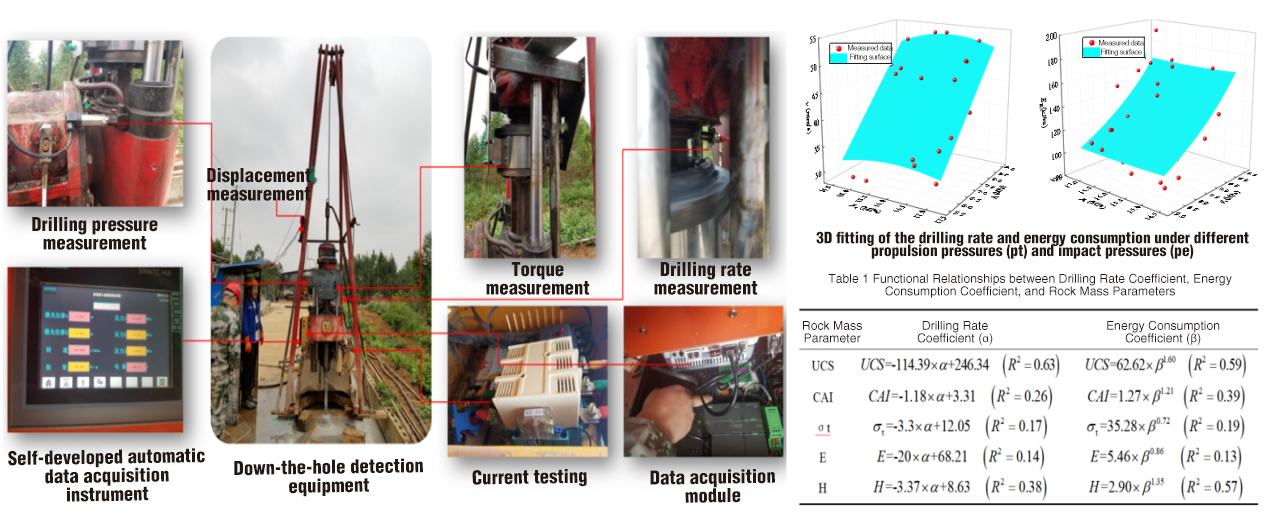
Figure 1. Sensors for Sensing Rock Mass Physico-Mechanical Properties and Data Mapping Analysis Results
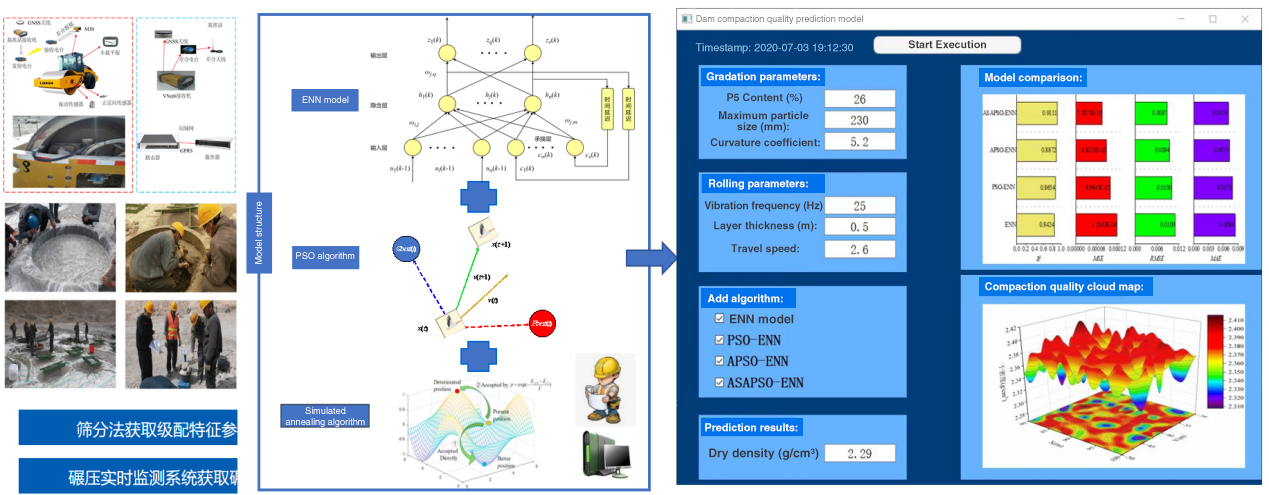
Figure 2. Schematic Diagram of the Multi-level Comprehensive Real-time Evaluation Model for Earth-rockfill Dam Rolling Quality
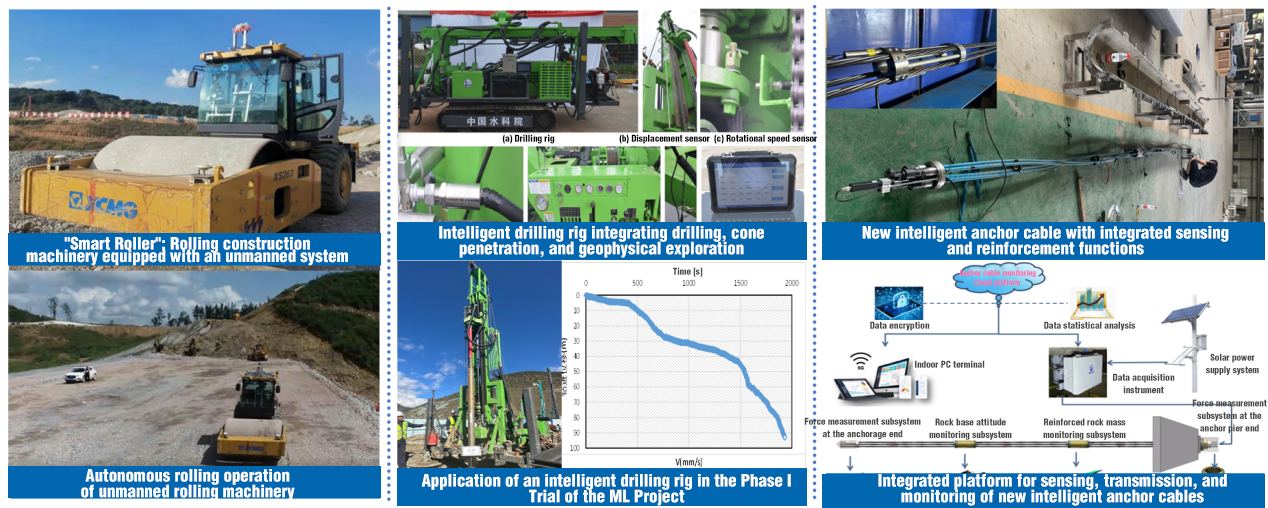
Figure 3. R&D and Application of Key Equipment for Intelligent Construction of Geotechnical Engineering
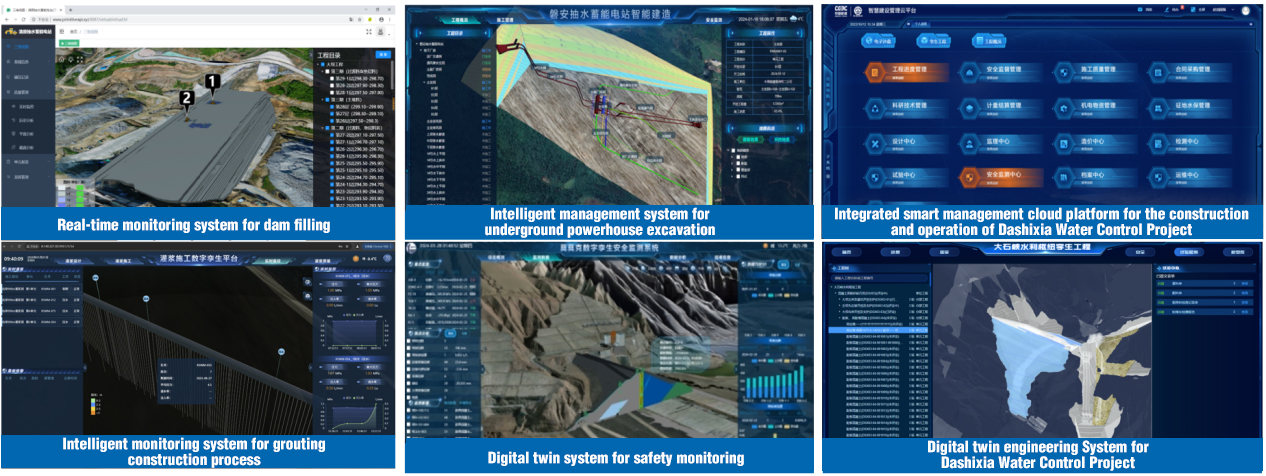
Figure 4. Geotechnical Engineering Construction Monitoring Systems and Integrated Smart Management Platform for Construction and Operation
